• Topic

    Evolving capacities

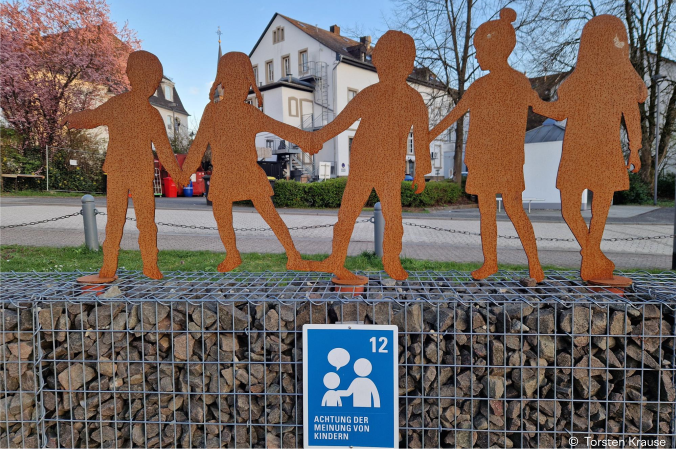
    The evolving capacities of the child as an enabling principle that addresses the process of their gradual acquisition of competencies, understanding and agency must be respected.

    That process has particular significance in the digital environment, where children can engage more independently from supervision by parents and caregivers.

    The risks and opportunities associated with children’s engagement in the digital environment change depending on their age and stage of development.

    This must be taken in considerations whenever measures to protect children in, or facilitate their access to, that environment are designed. The design of age-appropriate measures should be informed by the best and most up-to-date research available, from a range of disciplines.


[Translate to Englisch:] Aktuelle Meldungen

European Commission: Survey on the Digital Fairness Act

The European Union wants children and teenagers to have safe and positive experiences when using apps, websites, games and social media, so it is creating a new law called the Digital Fairness Act. To help shape this law, the EU wants to hear from children and teenagers aged 12 to 17 about their experiences as consumers, including how apps and websites treat them when they choose, use or pay for things online. Your views will help make the digital world fairer for everyone your age.

European Commission: The Digital Services Act (DSA) explained

This European Commission publication explains the Digital Services Act (DSA) in simple terms.

[Translate to Englisch:]

Commission holds first meeting of Special Panel on child safety online

Today, European Commission President Ursula von der Leyen hosted the first meeting of the Special Panel on child safety online. The panel, announced in the 2025 State of the Union address, will provide expert recommendations to better protect and empower children online and will explore the need for potential harmonised age restrictions to access social media.

[Translate to Englisch:]

General comment No. 25 5th Anniversary Joint Letter

On the fifth anniversary of the adoption of General Comment No. 25 on children's rights in the digital environment, 53 organisations and signatories remind the States Parties to the Convention on the Rights of the Child to realise children's rights on the internet and in digital services.

European Action Plan against Cyberbullying

On Safer Internet Day 2026, the European Commission presented an action plan against cyberbullying to protect young people online. It is based on three pillars to protecting the mental health of children and young people online. Under this plan, the European Commission is committed to making more targeted use of existing programs and instruments to combat cyberbullying and invites all member states of the European Union to develop national action plans to support the cause jointly and equally, as well as to improve the data and knowledge base on the phenomenon.

Action plan against cyberbullying to protect young people on the internet

On Safer Internet Day 2026, the European Commission presented an action plan against cyberbullying to protect young people online. It is based on three pillars to protecting the mental health of children and young people online.

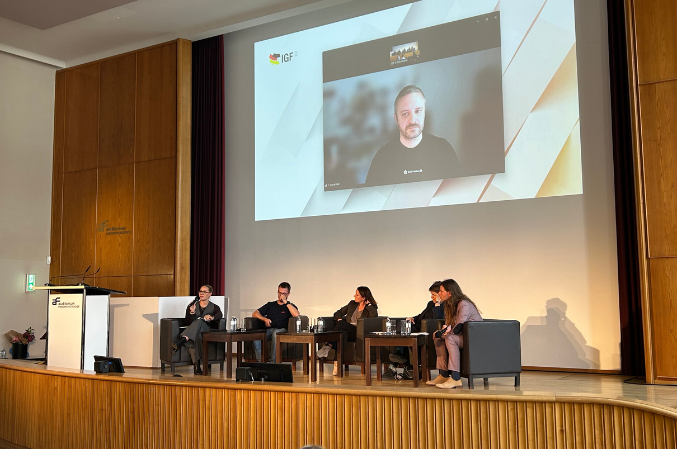
(c) IGF 2026

IGF 2026: Call for thematic input

From now until February 28, 2026, 23:59 (UTC), it is possible to submit thematic contributions that are to be given priority consideration at the Internet Governance Forum (IGF) 2026. Organisations and individuals can use a form to select topics that they feel are currently relevant to internet governance.

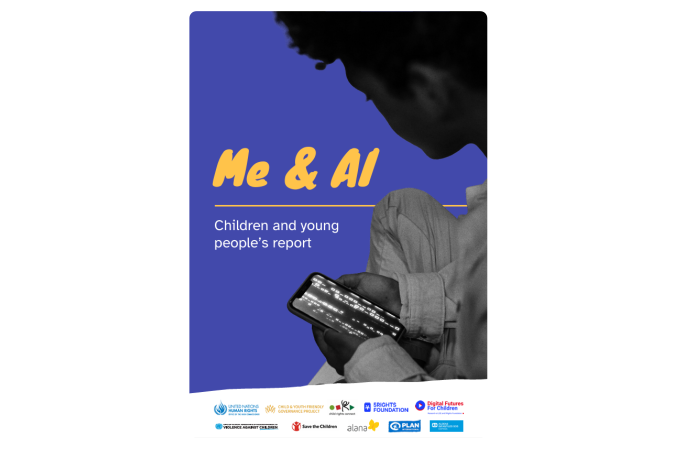
Joint Statement on Artificial Intelligence and the Rights of the Child

The document confirms the shared commitment to fostering an approach to artificial intelligence based on children's rights and calls for coordinated action to ensure that AI is designed, developed and governed in a way that respects, protects and fulfils the rights of the child. In addition to the United Nations organisations, the statement is also supported by more than 50 organisations, including the Digital Opportunities Foundation.

[Translate to Englisch:]

Call for applications: Microsoft is looking for young people for the AI Futures Youth Council

With the opportunity to get involved in the development of AI products and policies, Microsoft is reaching out to young people between the ages of 13 and 17. The goal is to establish a youth council (AI Futures Youth Council) consisting of 20 members.

Policy brief: Keeping Children Safe Online

The Policy brief, published in December 2025, is based on a comparative analysis of regulatory provisions for online platforms in six different jurisdictions.