Scientific studies

ECPAT - Policy Brief: Small Amounts, Grave Consequences

In July 2026, ECPAT Deutschland e.V. published a study in German. The study focuses on financial transactions related to the sexual exploitation of minors in the digital space. The accompanying policy brief was also made available in English.

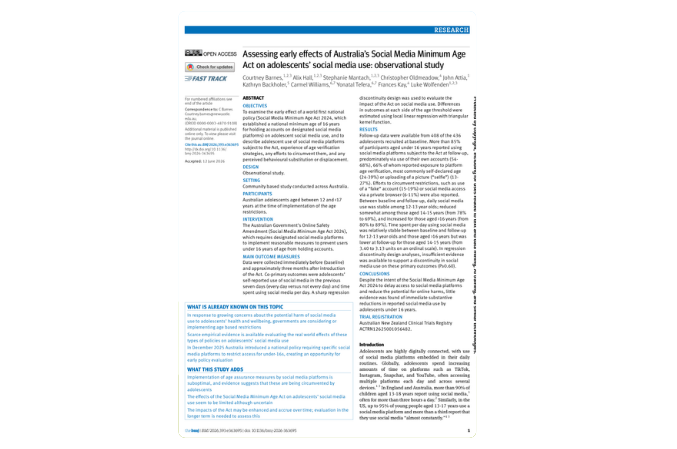
Observational study: Assessing early effects of Australia’s Social Media Minimum Age Act on adolescents’ social media use

The aim of the study is to examine the early effects of Australia’s Social Media Minimum Age Act 2024. This law is the first of its kind worldwide and establishes a minimum age of 16 for using or creating accounts on certain social media platforms.

Parents Talk Online Safety: Summary of country reports

Over the last six months, More in Common’s researchers have surveyed almost 10,000 parents with children aged under 18 across the UK, US, Poland, France and the Netherlands to understand how they navigate the challenge of keeping their children safe online. Key findings from across the research and a summary of the country reports can be found here.

The Leopoldina discussion paper 2025: Social media and the mental health of children and adolescents

The impact of social media on the mental health of children and adolescents is a growing concern for society. In a discussion paper published in July 2025, the German National Academy of Sciences (Deutsche Akademie der Naturforscher Leopoldina e.V.) described the current situation as part of a „global mental health crisis“ affecting young people. The paper set out concrete recommendations for action to address this challenge.


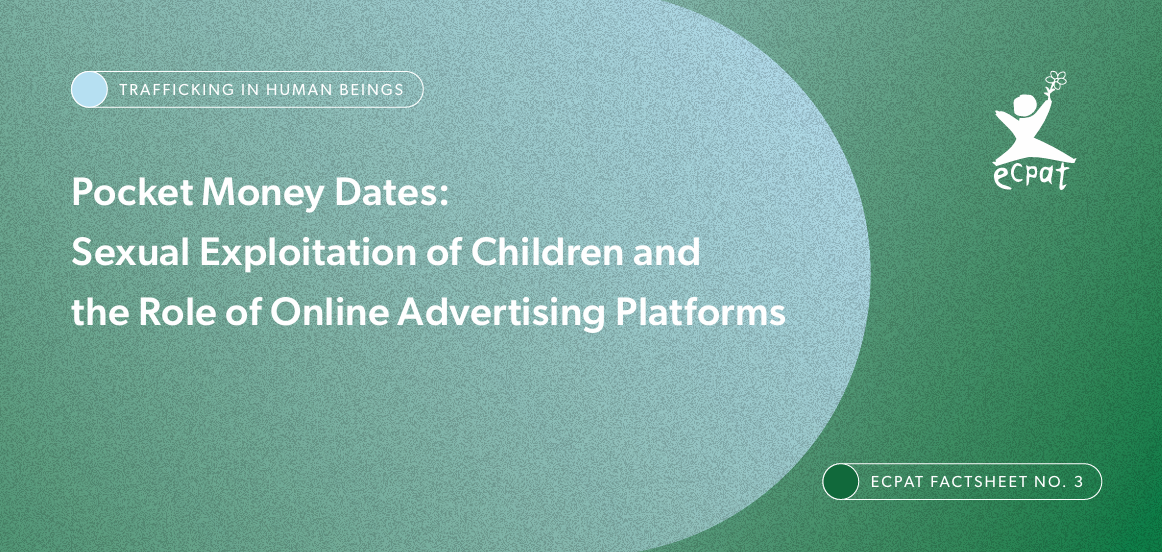
Study: Pocket Money Dates - Sexual Exploitation of Children and the Role of Online Advertising Platforms

Exploitation of and tracking in children (any person under the age of 18) are increasingly shaped by digitalisation processes and are thus constantly changing their forms. "Pocket money dates" represent a newer form of sexual exploitation of children and combine sexual exploitation in the digital and analogue space. You can read more about this study here.

Child Rights Impact Assessment (CRIA)

Although children and young people make up about one third of internet users worldwide, their perspectives are still rarely taken into account in technology-related policies, design processes, and decision-making structures. To counter this, the authors Sonia Livingstone and Kruakae Pothong argue that a tool such as the “Child Rights Impact Assessment Tool” can serve as a practical instrument for integrating children’s rights more comprehensively, early on, and systematically into political and administrative decision-making processes.

Balancing the right to privacy with the children's right to protection from online sexual exploitation

The study ‘Balancing the right to privacy with the children's right to protection from online sexual exploitation’ by terre des hommes Netherlands fin…

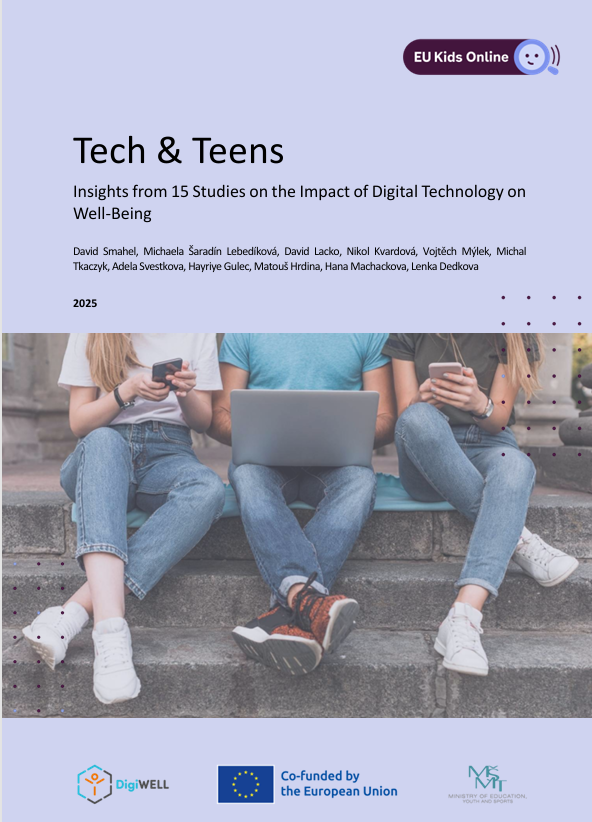
Study: EU Kids Online

The Interdisciplinary Research Team on Internet and Society (IRTIS) conducted 15 scientifically based studies over a period of six years. The research focused on the effects of digital technologies on the well-being of young people.

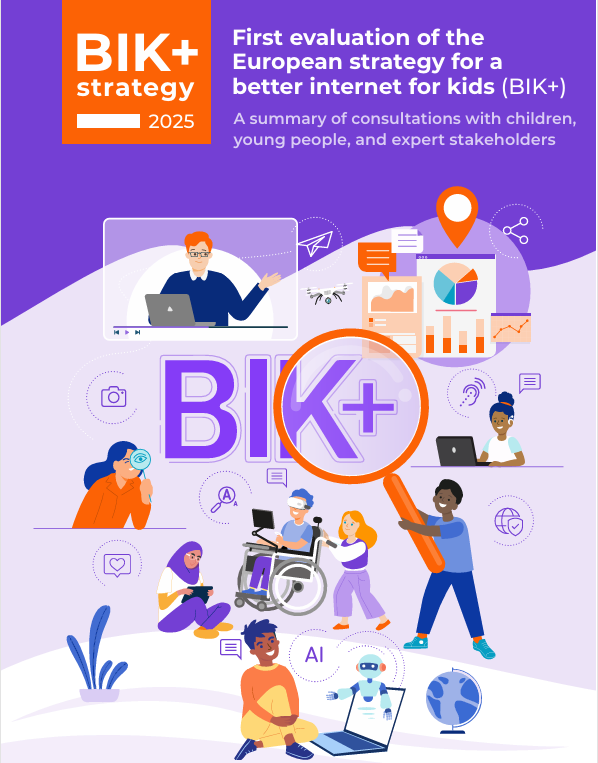
First evaluation of the European strategy for a better internet for kids (BIK+)

The primary objective of the evaluation was to review and assess the progress and success of the BIK+ strategy since its adoption in May 2022, identify emerging risks and new challenges, and propose actionable recommendations for improvement.

[Translate to Englisch:] Ansicht: Estimates of childhood exposure to online sexual harms and their risk factors

Estimates of childhood exposure to online sexual harms and their risk factors

This WeProtect Global Alliance study, conducted by Economist Impact (EI), explores the experiences of more than 5,000 18 to 20 year olds who had regular access to the internetas children to understand their experiences of and exposure to online sexual harms during childhood.

Show all news